Your pillows may look clean, but they are probably not.
Here is the simple habit that fixes that and what it does for your skin, your allergies, and your sleep.
Spoiler alert: The Dirtiest Thing in Your Bedroom Is Probably Your Pillow.
Wait what?! Seriously. Just think about your pillow for a moment.
You wash it occasionally. You change the pillowcase regularly. It looks clean. It smells fine.
But here is what is actually happening inside it every night: your pillow is absorbing six to eight hours of sweat, body oils, dead skin cells, and bacteria directly from your face and neck. Every. Single. Night.
Over time, this creates an environment that is problematic. The moisture from sweat, combined with the warmth of your body and the organic material from skin cells, creates ideal conditions for the rapid multiplication of bacteria, mould spores, and dust mites.
These are not visible to the naked eye. But they are there, and they are affecting your skin, your breathing, and your sleep quality in ways that are easy to mistake for other problems.
What Lives in an Unaired Pillow
Dust mites are microscopic creatures that feed on dead skin cells and thrive in warm, humid environments, exactly the conditions inside a pillow that is never aired or exposed to sunlight. A single pillow can harbour hundreds of thousands of dust mites after just a few months of use.
The waste products of dust mites are one of the most common triggers of indoor allergies, including nasal congestion, sneezing, itchy eyes, and skin reactions. If you wake up with a stuffy nose, experience frequent morning congestion, or notice your skin breaking out in ways your skincare routine doesn’t tackle, your pillow may be the cause.
Mould spores present a similar problem. In Nigeria’s humid climate, pillows that are never dried or aired can develop mould growth within the fill, which affects air quality, triggers respiratory symptoms, and in some cases, can cause or worsen conditions like asthma.
The Sunlight Hack And the Science Behind It
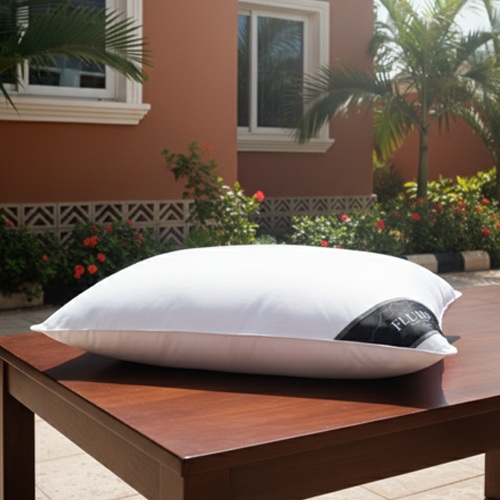
Here is the simple, cost-free habit that addresses all of this: place your pillows in direct sunlight for two to three hours at least once a week.
This is not another woo-woo wellness myth. It is backed by genuine science. Ultraviolet radiation from sunlight is one of nature’s most effective natural disinfectants.
UV rays penetrate the outer layers of bacteria, mould spores, and dust mites, disrupting their DNA and rendering them unable to reproduce. The heat of direct sunlight also removes moisture from the pillow fill, eliminating the damp environment these organisms need to survive.
The results are meaningful: reduced allergen load, fresher-smelling pillows, slower bacterial growth, and a sleep surface that is genuinely cleaner than it was before. It takes no effort beyond remembering to do it, and it makes a measurable difference to the quality and hygiene of your sleep environment.
How to Do It
On a sunny morning, remove your pillowcase.
Place the pillow on a clean surface in direct sunlight, a balcony railing, a clothesline, or a clean flat surface outside.
Leave it for two to three hours, flipping halfway through to expose both sides.
Return the pillow indoors before the evening humidity rises.
Replace the pillow protector and pillowcase with clean ones.
The Next Level of Pillow Protection: The Fluidé Pillow Protector
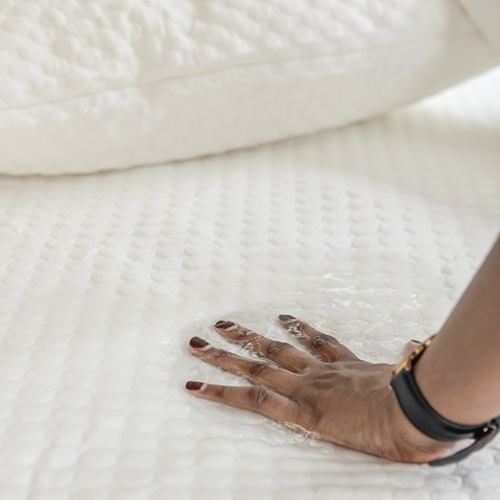
The sunlight hack is excellent maintenance. But for daily, ongoing protection, a premium pillow protector is the most direct investment you can make in your pillow’s hygiene and longevity.
The Fluidé Premium Pillow Protector is crafted with a breathable moisture barrier that blocks sweat, body oils, dust mites, and allergens from reaching the pillow fill, the material that is genuinely difficult to clean.
It is noiseless, lightweight, and completely imperceptible beneath your pillowcase.
With a pillow protector in place, you significantly reduce the accumulation of the microbes that make the sunlight hack necessary in the first place, meaning your pillows stay fresher for longer, need less frequent deep cleaning, and maintain their loft and comfort for years rather than months.
It also means the time between necessary deep cleaning is extended substantially, because the protector is catching what would otherwise go directly into the pillow fill.
Your Pillow and Your Skin
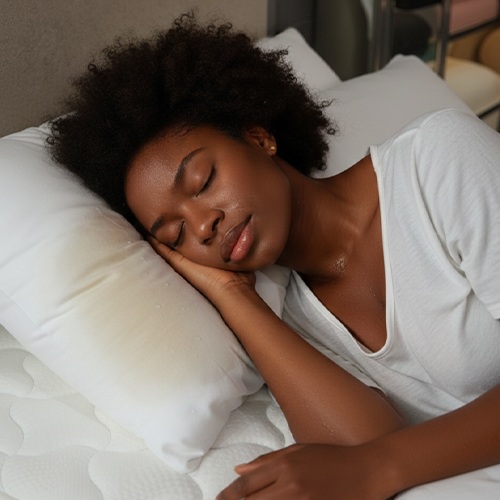
One more thing worth mentioning: your pillow is in contact with your face for six to eight hours every night. The bacterial load on an unprotected, unaired pillow does not stay in the pillow. It transfers to your skin.
If you have been struggling with breakouts, particularly along the jawline, cheeks, or forehead, and your skincare routine does not seem to be the issue, your pillow hygiene is worth examining.
Changing to a freshly laundered pillowcase every two to three days, using a pillow protector, and airing your pillow in sunlight weekly can make a visible difference to your skin without changing a single product in your routine.
Build a Cleaner Sleep Environment
A clean sleep environment is not just about aesthetics. It is about the quality of the air you breathe for a third of your life, the hygiene of the surface closest to your face every night, and the combined effect of those conditions on your skin, your health, and your sleep.
Visit our showrooms in Lagos or Abuja to explore the Fluidé Pillow Collection and Premium Pillow Protectors, or browse our collection here.